
How to Optimize Your Angle Grinder Jobs with Non-Woven Abrasives?
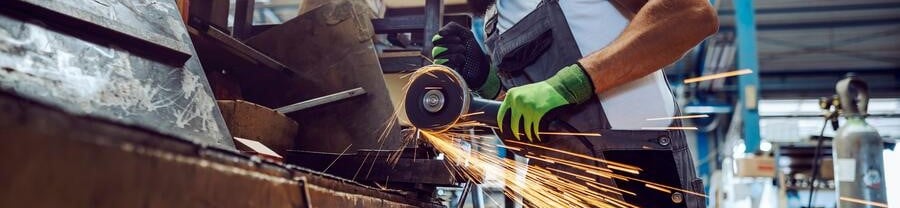
When it comes to precision grinding, finishing, and surface preparation, few tools are as versatile and essential as the angle grinder. Yet, the key to achieving optimal results lies not just in the grinder itself but in the right tools—specifically, non-woven abrasives. These advanced grinding solutions are designed to elevate the performance of your angle grinder, delivering superior finishes while simultaneously streamlining your workflow.
Non-woven abrasives combine the benefits of material removal and surface refinement into one solution, significantly reducing the number of grinding steps needed and enhancing productivity.
- Understanding Non-Woven Abrasives: The Key to Precision and Efficiency
Non-woven abrasives are crafted from a blend of synthetic fibres, abrasive grains (such as aluminium oxide, silicon carbide, or ceramic), and durable bonding agents. These abrasives are structured in an open, porous design, which enables them to cut faster and last longer compared to traditional grinding materials. The unique construction of non-woven abrasives minimizes clogging, reducing the need for constant tool maintenance and enhancing the consistency of the grind.
Unlike conventional grinding discs, non-woven abrasives can deliver smooth, even finishes while tackling challenging tasks such as rust removal, surface preparation, and polishing. Their adaptability makes them indispensable for both light and heavy-duty grinding jobs.
- Choosing the Right Non-Woven Abrasive for Optimal Performance
To truly optimize your angle grinder jobs, selecting the appropriate non-woven abrasive for the task at hand is paramount. Non-woven abrasives are available in varying grades, from micro-fine to extra coarse, each engineered for different tasks.
- Leverage the Right Speed Settings on Your Angle Grinder
Maximizing the potential of your non-woven abrasives requires careful control of the angle grinder’s speed. A variable-speed angle grinder offers optimal versatility, allowing you to adjust the speed to suit the task. For non-woven abrasives, moderate speeds typically provide the best results.
- Low to Medium Speeds: For polishing, finishing, and delicate tasks. At these speeds, the grinder delivers a smooth, controlled cut with minimal heat buildup, ensuring that non-ferrous materials like aluminium or plastic are not damaged.
- Higher Speeds: Useful for aggressive material removal, such as rust stripping or smoothing rough surfaces. However, it’s essential to avoid excessively high speeds, as this can cause excessive wear on the abrasive or lead to unwanted heat distortion on sensitive materials.
Controlling the speed ensures that the non-woven abrasive performs optimally, reducing the likelihood of overheating, premature wear, or surface damage.
- Maintain Consistent, Light Pressure for Even Results
While non-woven abrasives are designed to handle heavy-duty tasks, they deliver the best results when used with light and consistent pressure. Unlike traditional abrasives that often require significant force to achieve the desired material removal, non-woven abrasives work best when allowed to "do the work."
TIP: By applying light, even pressure, you can prevent overloading the abrasive, avoid excessive heat buildup, and ensure that the finish remains uniform. Relying on the abrasive’s construction to perform the material removal will also reduce operator fatigue and increase efficiency during extended use.
- Streamline Your Workflow with Multi-Functional Abrasives
One of the greatest advantages of non-woven abrasives is their ability to perform multiple functions simultaneously, reducing the need for additional tools and grinding steps. Whether you’re preparing metal for welding, removing rust, or polishing a delicate surface, non-woven abrasives allow you to complete tasks in fewer stages.
For example, non-woven discs can effectively blend weld seams, clean up rough edges, and polish the surface in a single pass. This multi-functional capability reduces not only the number of tools required but also the time spent on each job, ultimately boosting productivity.
- Minimize Surface Damage and Overheating
One of the hallmarks of non-woven abrasives is their ability to maintain a controlled level of aggressiveness while minimizing the risk of surface damage. Unlike traditional abrasives that can leave deep scratches or cause gouging, non-woven abrasives are designed to reduce surface imperfections, leaving behind a smoother, more refined finish.
Additionally, their open structure helps to dissipate heat more effectively, reducing the risk of heat buildup that can warp or discolour certain materials. This makes non-woven abrasives particularly useful when working with delicate materials, such as aluminium or softer metals, which are prone to damage from excessive heat.
TIP: By maintaining a controlled, even pressure and using the correct abrasive for the job, you’ll preserve the integrity of the material while achieving optimal results.
- Maximize Durability and Longevity
Non-woven abrasives tend to outlast traditional grinding discs, thanks to their ability to shed debris and resist clogging. This increased durability reduces the frequency of disc changes and extends the lifespan of both the abrasive and your angle grinder.
TIP: To maximize the longevity of non-woven abrasives, store them properly in a dry, cool place and keep them free from contaminants that may affect their performance. Regularly check the condition of the disc, and avoid using it when it shows signs of wear, such as significant fraying or reduced cutting power.
Incorporating non-woven abrasives into your angle grinder workflow is a game-changing move for any professional. These advanced abrasives combine efficiency, versatility, and durability, enabling you to complete tasks faster, with higher quality results, and in fewer steps. By choosing the right abrasives, adjusting your grinder settings, and applying the correct technique, you can optimize your angle grinder’s performance and take your grinding, polishing, and finishing tasks to the next level.
Whether you’re in metal fabrication, automotive repair, or surface restoration, non-woven abrasives are essential tools that will streamline your processes, improve your results, and enhance your overall productivity.