



Ceramic and porcelain tiles are a popular choice for flooring, countertops, and backsplashes. They are durable, easy to clean, and come in various colours and styles. However, cutting ceramic and porcelain tiles can be a challenge. The tiles are hard and brittle and can easily chip or crack if not cut properly.
In this article, we will discuss the different tools and methods that can be used to cut ceramic and porcelain tiles. We will also provide some safety tips and troubleshooting advice. By following the tips in this article, you can learn how to cut ceramic and porcelain tiles like a pro.
The Differences Between Ceramic and Porcelain Tiles
Porcelain and ceramic tiles are widely available and feature in bathrooms and kitchens, with outdoor spaces such as tiled patios becoming more popular in recent years.
Despite their aesthetic similarities, porcelain and ceramic tiles have some subtle differences.
Both ceramic and porcelain tiles are made from clay but are processed differently, giving them different properties.
Ceramic Tiles
Ceramic tiles are made from red, brown, or white clay, water, and other minerals. They are fired at a lower temperature than porcelain tiles, which makes them softer and less dense.
Ceramic tiles are typically used for interior applications, such as walls and backsplashes.
Most reputable tile merchants will stock a wide range of colours and designs to suit various home decors and styles.
They are unsuitable for outdoor use, such as patios, as they can be prone to cracking in cold weather.
If you are on a tight budget, then ceramic tiles will be your best option, as they often retail at a lower price compared to porcelain tiles.
Porcelain Tiles
- Porcelain tiles are made from a more refined clay mixture of white clay, sand, and feldspar and are fired at a higher temperature. This makes them less porous, harder, and more durable than ceramic tiles.
- Porcelain tiles are often used for exterior applications, such as patios and walkways, high-traffic areas and wet rooms.
- Although porcelain tiles are very durable, they are also very brittle. This means they can be tricky to cut as they are prone to chip. However, do not despair, as we outline the tools and tips to get a perfect cut later in this article.
- Porcelain tiles are effortless to clean and maintain. They are often favoured for spaces that require a smooth, high-shine finish, which is long-lasting and requires minimal cleaning to maintain this aesthetic finish.
How to Cut Ceramic and Porcelain Tiles
The Tools You Need to Cut Ceramic and Porcelain Tiles
Here are some of the most common tools for cutting ceramic and porcelain tiles:
There are a few different tools that you can use to cut ceramic and porcelain tiles. The best tool for you will depend on the size and thickness of the tiles, as well as the amount of cutting you need to do.
Manual Tile Cutters
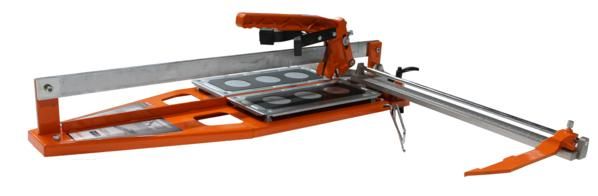
We often get asked if you can cut porcelain tiles with a tile cutter. Manual tile cutters are a budget-friendly option for cutting small to medium ceramic tiles by hand, but they can be challenging to use and are not ideal for porcelain tiles. If you're a beginner, practicing with scrap tiles before using them on your project is best.
Check out our Norton Clipper Manual Tile Cutters in our dedicated brochure.
Tile Saws
Tile saws are versatile tools professionals and DIY enthusiasts prefer for challenging projects. They effortlessly cut ceramic and porcelain tiles, including thick and large 60cm tiles. With the right diamond blade, these saws provide precise, chip-free cuts. Norton Clipper offers a range of Tile Saws, including table-top and floor-stand models.
Watch our Norton Clipper expert demonstrate the Norton Clipper TR232L tile saw with our best-selling Norton Clipper Extreme Ceramic Turbo 230mm diamond blade.
Angle Grinders
Angle grinders can be used to cut ceramic and porcelain tiles, but they are not as precise as a manual tile cutter or a tile saw. If you decide to use an angle grinder, then it is essential that you use a dedicated diamond blade for ceramic and porcelain materials. Norton Clipper has a range of diamond blades for porcelain and ceramic tiles available in various sizes. If you are not sure what size diamond blade you need, speak to one of our experts for support.
Diamond Blades for Porcelain and Ceramic Tiles
Safety Tips for Cutting Ceramic and Porcelain Tiles
When cutting ceramic and porcelain tiles, it is essential to take safety precautions to avoid injury. Some of the most important safety tips include:
- Always wear safety glasses, gloves, ear defenders (when using power tools), and a dust mask when cutting tiles. These items protect you from flying debris and dust, which can harm your eyes, skin, and lungs.
- Work in a well-ventilated area. The dust created when cutting tiles can harm your lungs, so working in an area with good ventilation is important.
- Use the correct diamond blade. Using cutting tools that are not designed for ceramic and porcelain materials can be dangerous and lead to a lot of material wastage. If you are unsure which diamond blade you need, check out our guide on diamond blades for ceramic and porcelain tiles.
- Do not force the cut. If the tiles are not cutting easily, stop and assess if you are using the right tools and cutting method. Forcing the cutting motion can cause them to chip or crack, which can be dangerous and cause flying debris.
- Dispose of the tiles properly. Chipped and broken tiles can be sharp, so it is important to dispose of them properly. Place them in a sealed bag or container and dispose of them at your local waste facility.
If you need further support on the best products for your next tiling project, then contact our team of experts for further support.